 Egypt Hub
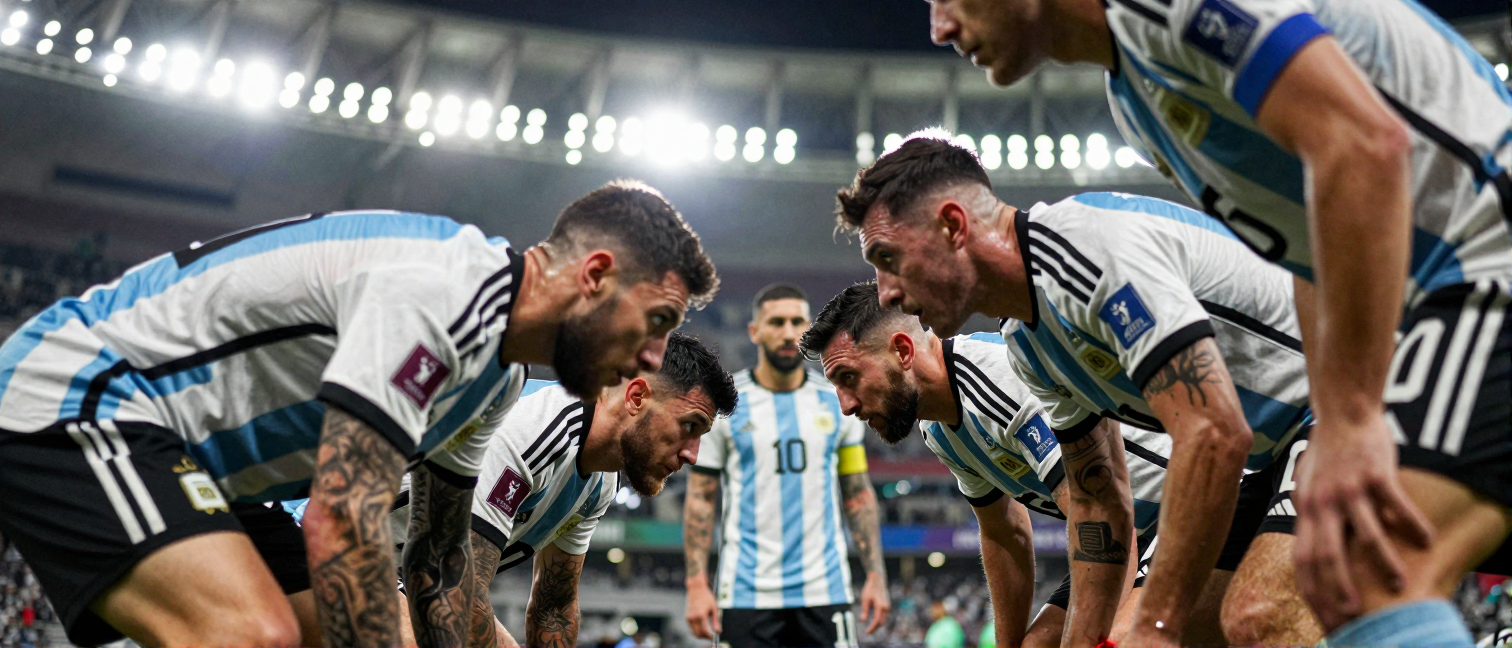
Egypt faces Argentina in the World Cup 2026 round of 16 with a clear mission: stop Lionel Messi. Coach Hossam Hassan is zeroing in on Zone 14, the area where Messi launches most of his attacks, to cut off his scoring chances. Egypt’s last match ended 1‑1 with Belgium on 2026-06-15, and the team’s recent form reads 0W‑3D‑2L (DDDLL).
What is the tactical plan to limit Messi?
Hassan assigns individual marking of Messi to Mohand Lashin, who will shadow him everywhere on the pitch. In midfield, Imam Ashour and Marwan Attia will compress spaces, denying Messi comfortable possession. The defensive trio – Hamdi Fathi, Yasser Ibrahim, and Rami Rbia – will form a wall against any ball reaching Messi, while goalkeeper Mostafa Shobier stands ready for sudden shots.
Why is Zone 14 a defensive key?
Zone 14 sits just in front of the penalty area, the sweet spot where Messi prefers to shoot or thread decisive passes. By sealing this zone, Egypt limits his ability to cut inside or strike from medium range. Closing the zone forces Messi to play deeper, reducing his impact on the game.
How could this affect Egypt’s tournament run?
Neutralising Messi would give Egypt a realistic chance to knock Argentina out and move toward the semi‑finals. A solid defensive display would boost morale after a string of 0‑3‑2 results. Success here could also provide momentum for the next clash against a likely European opponent.
What challenges remain for the Pharaohs?
Beyond Messi, Argentina boasts a versatile attack with Di María and Te Riy. Egypt must balance pressing Messi while keeping possession to avoid counter‑attacks. Midfield density is essential to stop Argentina from dominating the center.
The final outcome hinges on flawless execution; if Lashin can lock down Messi, Egypt could become one of the biggest surprises at World Cup 2026.