 Egypt Hub
Introduction
Football in Egypt is more than just a sport; it is a cornerstone of national identity. When the Pharaohs play, everything halts; the streets empty, and café conversations revolve around tactics and performances. In these moments, the power of the game and its deep impact on Egyptian society becomes evident.
Every time Egypt competes on the international stage, the passion transcends the pitch, becoming a collective emotion that resonates throughout the nation. This phenomenon is not merely a craze; it is a reflection of pride and belonging, characterized by the competitive spirit that mirrors Egypt's challenges in the footballing world.
The History of Football in Egypt
Since the game was introduced to the country in the early 20th century, Egyptian football has undergone significant evolution. The Egyptian Football Association was established in 1921, and since then, the game has become an essential part of daily life. However, success has not come easily, as Egypt has faced numerous challenges on its journey to excellence.
- Al Ahly and Zamalek: The biggest clubs in Egypt, both with a long-standing history of rivalry.
- National Team: The Pharaohs' multiple African Cup of Nations victories reflect the quality of players and their commitment.
- Stars: Egypt has produced numerous stars, such as Mohamed Salah and Hassan Shehata, who have elevated the game on both local and international stages.
The Impact of Football on Society
Football profoundly influences national identity and Egyptian society. During tough times, matches serve as an escape from reality, providing an opportunity for people to unite, regardless of their backgrounds. This influence is particularly evident during international tournaments.
When fans gather in stadiums or in front of televisions, they form a united front, enhancing the sense of belonging and pride. With every goal scored, there is an explosion of joy, and with each loss, a sense of sorrow, but always accompanied by hope for the future.
The Atmosphere During Matches
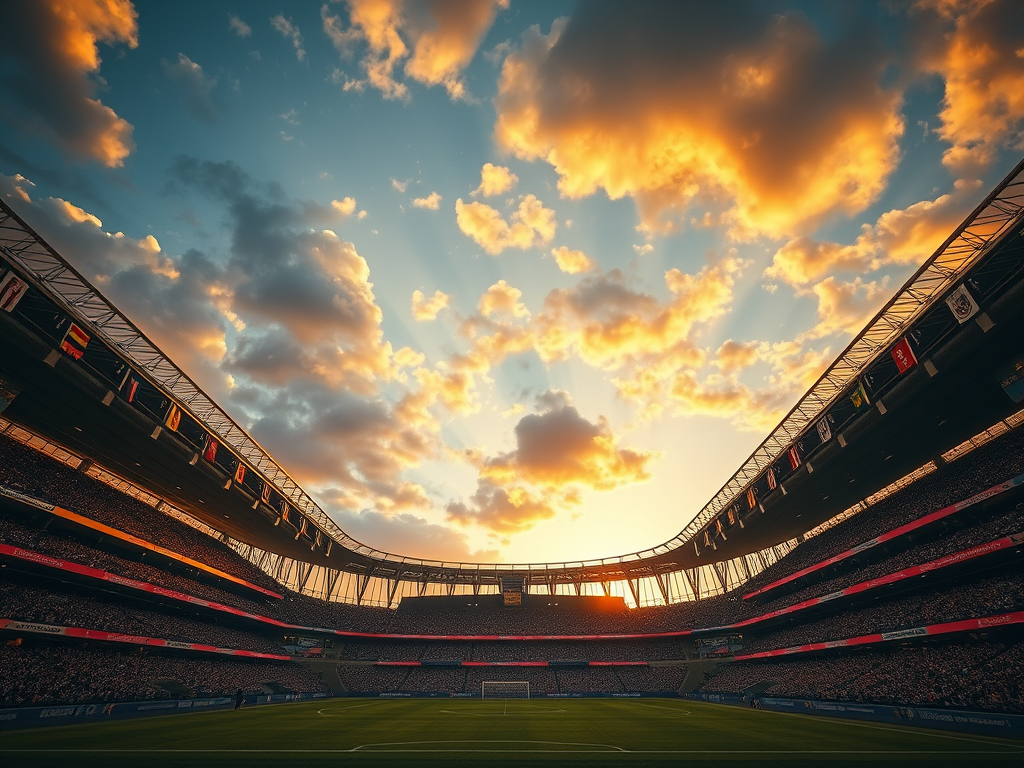
As match day approaches, the tension and excitement build across the country. Streets are adorned with club colors, and preparations begin in households, where fans prepare special snacks and drinks for the game. This atmosphere makes each match a unique and unforgettable event.
- Stands: Filled with flags and echoing team songs.
- Optimism: Fills the hearts of fans, especially regarding World Cup qualifying matches.
- Social Interaction: Conversations on social platforms increase, enhancing fan engagement.
Challenges Facing the Pharaohs
Despite the successes of the Egyptian national team, many challenges persist, especially in their World Cup qualifying campaigns. In recent years, there have been criticisms of the team's performance and tactics, prompting coaches to seek new methods to improve results.
- Injuries: Always a hurdle for the Pharaohs, such as Mohamed Salah's injury in crucial stages.
- Fan Pressure: Players must adapt to high expectations.
- Strong Competition: With teams like Senegal and Cameroon, qualifiers demand outstanding performances.
The Future of Egyptian Football
As the 2026 World Cup qualifiers approach, Egypt looks to achieve new milestones. This opportunity represents a challenge and a chance to shine on the international stage. Fans expect the national team to take significant strides towards success, especially with talented players like Mohamed Salah and Ramadan Sobhi.
- Youth Investment: Clubs must invest more in youth academies.
- Coaching Development: Enhancing the skills of local coaches for optimal team performance.
- Fan Support: Encouraging fans to back their teams through thick and thin.
What's Next?
In conclusion, football remains an integral part of Egyptian life. As preparations for qualifying matches unfold, everyone must work in harmony to achieve the dream of reaching the World Cup. Fans eagerly anticipate witnessing the Pharaohs shine again, affirming their place among the world's best teams.